Materials
Exposed concrete without surprises: six decisions before the pour
Exposed concrete is unforgiving: whatever isn't decided before the pour stays on the wall for good.
When a client asks us for exposed concrete, the conversation doesn't start with colour. It starts with a list of six decisions we make with the contractor —ourselves— before the first truck arrives.
1. Formwork type
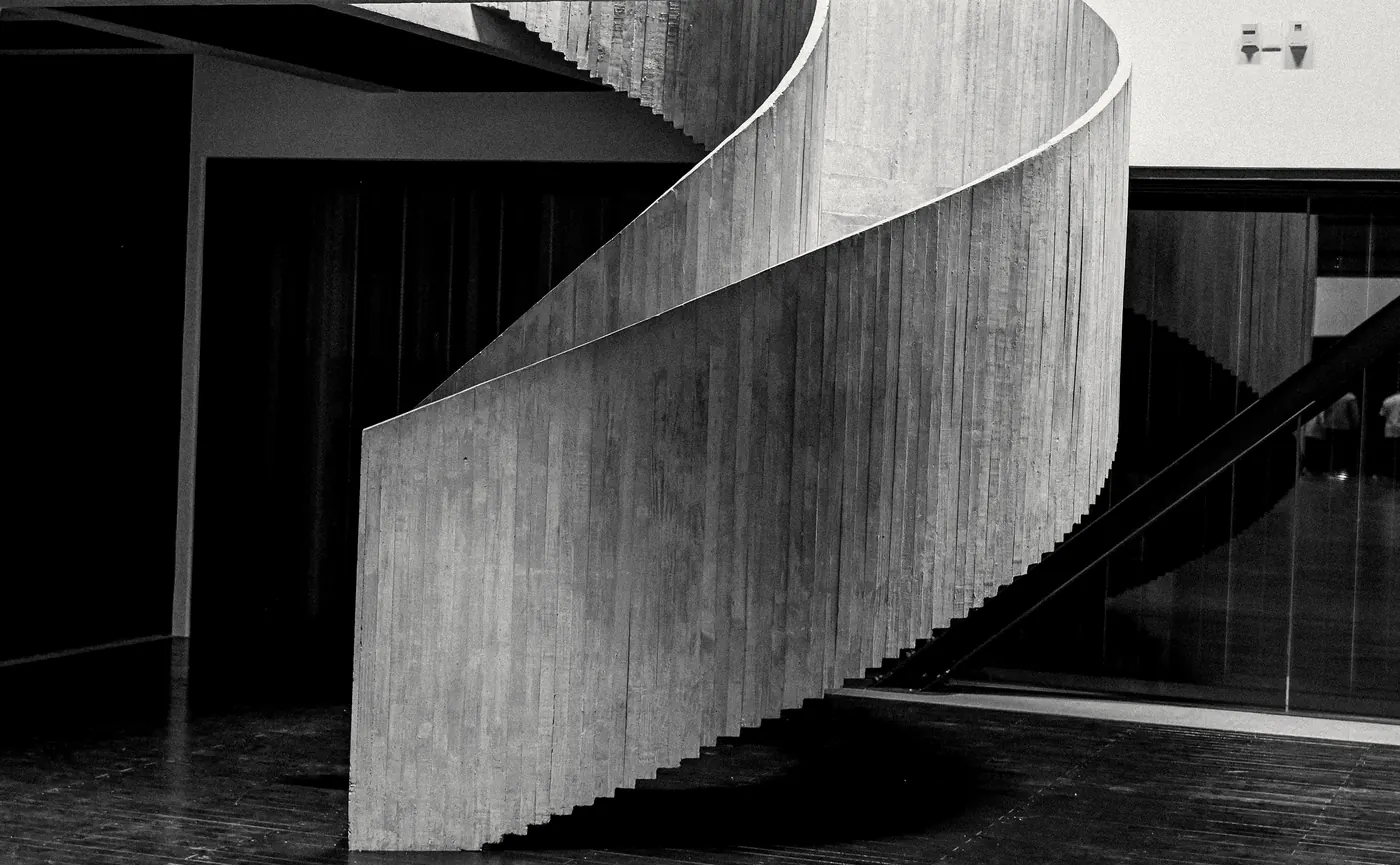
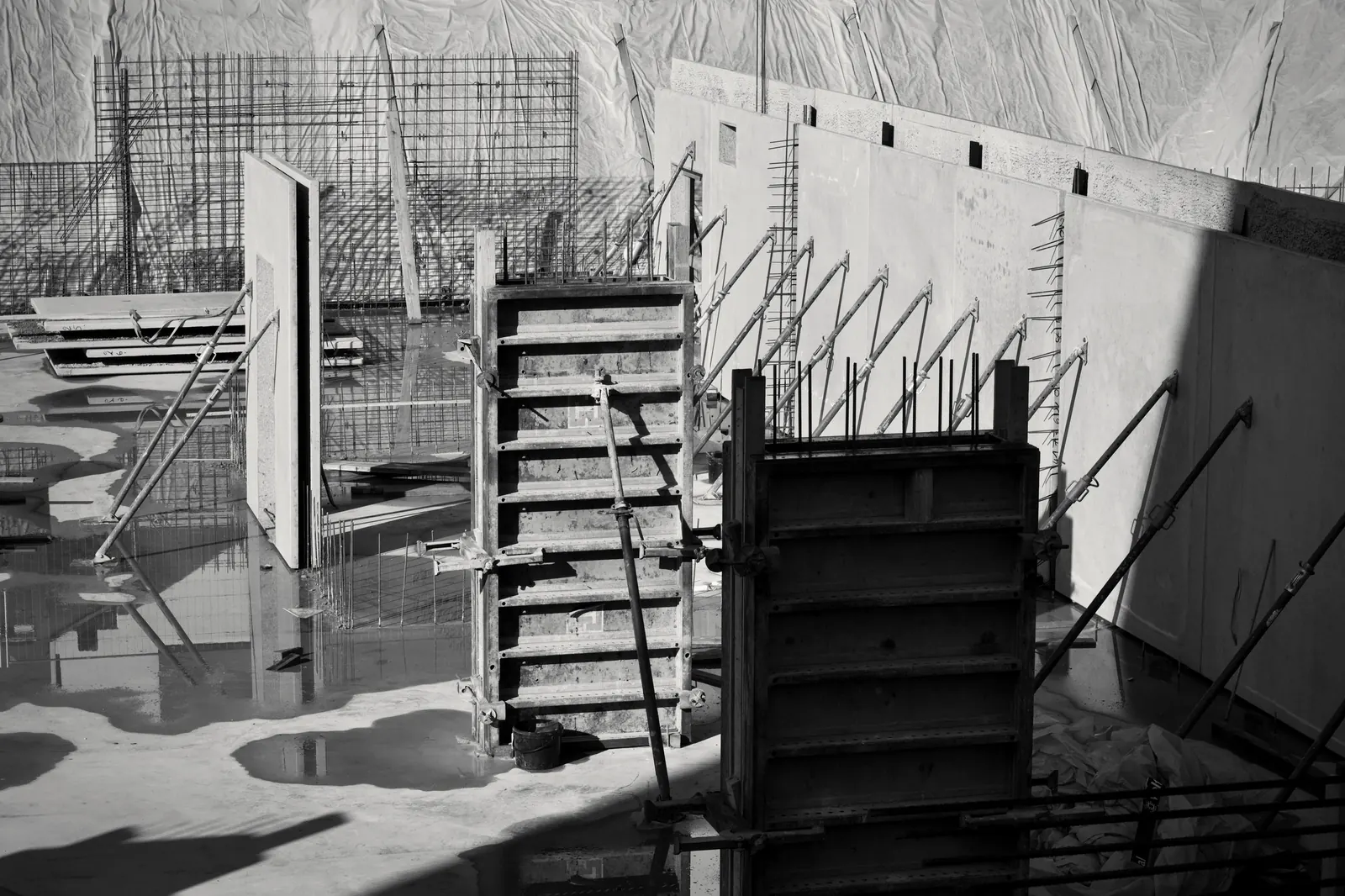
Phenolic board for smooth faces, timber boards for texture, steel for repeated runs. Each leaves a different print and has a different cost.
2. Joint layout
Joints between panels and between pours always show. We draw them on the elevations as part of the facade, because they are.
3. Tie holes
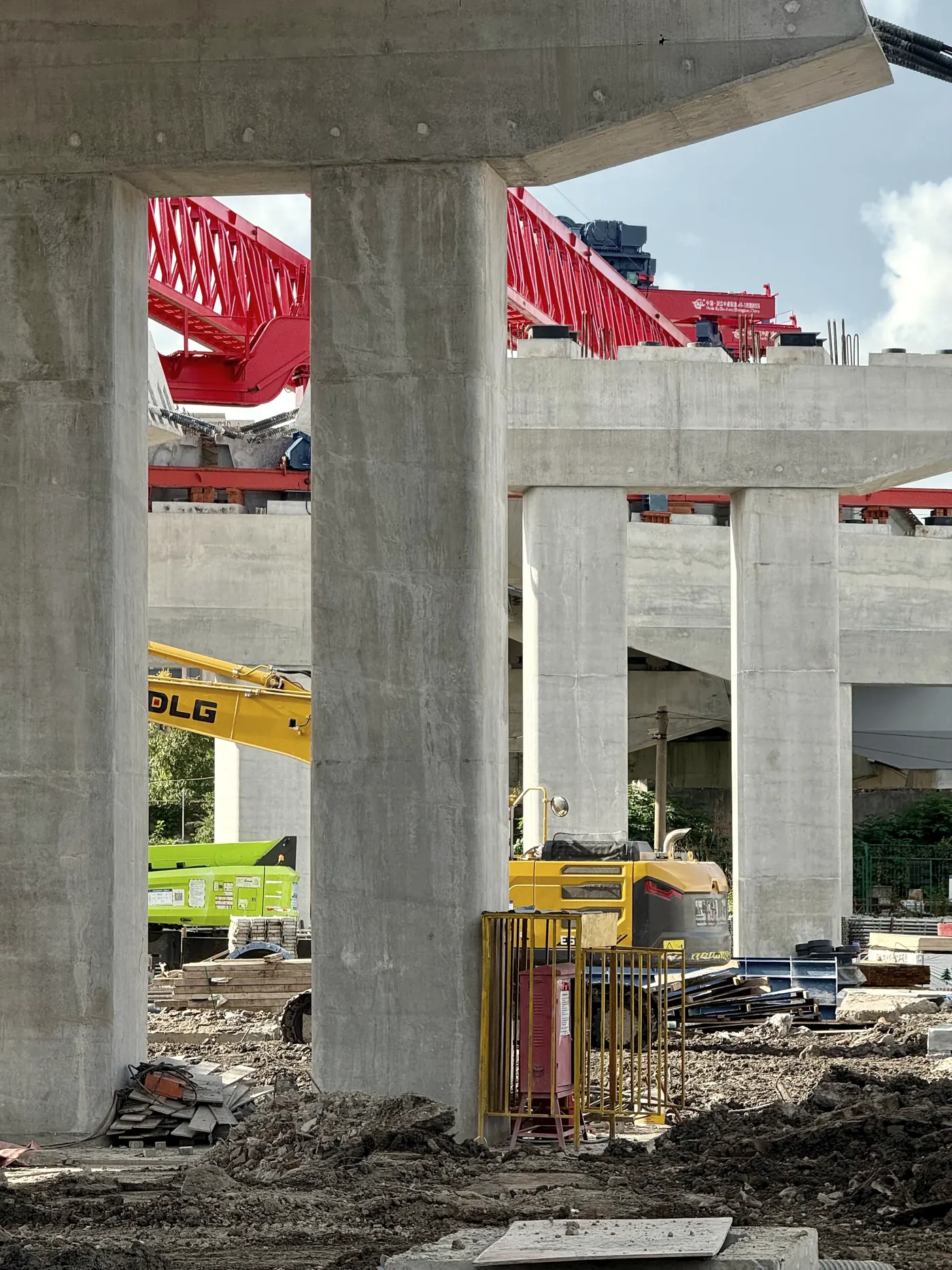
The holes left by the formwork ties stay visible. We decide their position, their plug and whether they are left open or filled.
4. The mix
One cement, one aggregate and one batching plant for the whole job. Switching supplier halfway through changes the tone.
5. Release agent
The wrong release agent stains. We always test on a one-square-metre sample panel.
6. Curing
In a Castilian summer a wall dries too fast and crazes. We keep it under wet blankets for at least seven days.
A sample panel costs little. Demolishing an exposed wall costs a whole project.